How to Cleanse, Charge and Energise Crystals (Vedic + Modern Methods)
Safe, stone-by-stone methods for everyday crystals and a simple Vedic home ritual for navaratna rings.
To cleanse crystals, the safest methods for almost every stone are moonlight, incense smoke and sound; to charge them, rest them on a selenite plate or under the full moon overnight. Water, salt and strong sunlight are useful for some stones but can damage many popular ones, so check the safety table below before you use them. For a Vedic gemstone ring, tradition adds one more step: energising it on the weekday of its ruling planet with that graha's beej mantra, chanted 108 times.
This guide walks through why and when to cleanse, eight methods (with who should and should not use each), the home ritual for navaratna rings, and the mistakes that quietly ruin good stones.
Why cleanse crystals at all?
In both crystal-healing and Vedic traditions, stones are believed to hold on to the energy of everything around them: the mine, the cutter, the shop, every hand that touched them. Cleansing is the practice of wiping that slate clean so the stone works with your intention. Whether you view this as energetic or simply as a mindful ritual that reconnects you with the stone, the effect people describe is similar: the crystal feels “brighter” and more personal.
There is also a very practical side. Stones that sit on a desk or are worn every day collect skin oil, dust and soap film. A gentle clean restores their sparkle, and inspecting them regularly helps you spot a loose prong in a ring before a gem falls out.
When to cleanse: new stones, heavy use and lunar days
- When a stone first arrives. Always cleanse and charge before first use or first wear.
- After heavy use. After illness in the home, an argument, a stressful exam season, travel, or when someone else has handled your stone.
- When it feels dull. Many practitioners say a stone looks or feels “heavy” when it needs clearing.
- On Amavasya and Purnima. The new moon is traditionally a time for release, so it suits cleansing; the full moon is considered ideal for charging. Our moon phase crystal calendar shows the next Amavasya and Purnima dates for your location.
- Before Navratri. A very common time to do a full cleanse — Sarva Pitru Amavasya, the day before Ghatasthapana, is when many people clear every stone in the house before the nine auspicious days begin. See our Navratri 2026 dates & stone-by-day guide for the full calendar.
Which crystals are not water-safe, salt-safe or sun-safe?
Before choosing a method, check your stone here. These are physical facts about the minerals, not beliefs, and ignoring them is the most common way people damage crystals at home.
| Stone | Water | Salt | Direct sun | Why |
|---|---|---|---|---|
| Selenite | No | No | OK | Soft gypsum (Mohs 2) that dissolves and loses its silky sheen in water |
| Pyrite | No | No | OK | Iron sulphide; moisture causes rust spots and crumbling (pyrite decay) |
| Malachite | No | No | Avoid long | Soft copper mineral; water dulls it, and dust is toxic, so never make elixirs |
| Turquoise | No | No | Avoid | Porous; absorbs water and oils, and can discolour in heat and sun |
| Lapis lazuli | No | No | OK | Porous with calcite and pyrite inclusions that stain or etch |
| Opal | No soaking | No | Avoid | Contains water; heat and sudden changes can cause crazing (fine cracks) |
| Pearl | No soaking | No | Avoid | Organic and soft; salt, acids and heat erode the nacre |
| Hematite | No | No | OK | Iron oxide; rusts and loses its mirror polish |
| Fluorite | No | No | No | Soft (Mohs 4), splits along cleavage, and colour fades in sunlight |
| Amethyst | OK | Brief only | No | Purple colour fades with prolonged UV exposure |
| Rose quartz | OK | Brief only | No | Pink tone fades in strong sun |
| Citrine | OK | Brief only | No | Natural citrine can pale with long sun exposure |
Hard, non-porous stones such as clear quartz, smoky quartz and black tourmaline handle a quick rinse well. Organic red coral should be treated like pearl.
8 ways to cleanse and charge crystals
1. Moonlight (safe for almost all stones)
Place stones on a windowsill or balcony on Purnima night, or the nights just before and after, and collect them before strong morning sun. Moonlight is the gentlest way to both cleanse and charge, and in Vedic thought it is especially suited to lunar stones like pearl, moonstone and selenite, ruled by the Moon.
2. Sunlight (short sessions, sun-safe stones only)
Fiery stones such as carnelian, sunstone, tiger's eye, red jasper and ruby are traditionally charged in early-morning sun, associated with the Sun. Keep it to 30-60 minutes in the gentle hour after sunrise. Never leave clear quartz spheres in direct sun: they can focus light and scorch surfaces.
3. Smoke of loban, camphor or sage
Pass each stone slowly through the smoke of loban (benzoin resin), guggal, sandalwood incense or white sage for 20-30 seconds. In Indian homes, the flame of burning camphor during aarti serves the same purpose; simply move the stone in a circle around, not over, the flame. Smoke is safe for every stone in the table above and is ideal for rings and jewellery. Ventilate the room and keep fire away from children and fabrics.
4. Sound
Ring a temple bell, singing bowl or tuning fork near your stones, or chant “Om” over them for a minute. Sound is the easiest way to cleanse a large collection or a crystal grid at once, and it touches nothing physically.
5. Selenite plate or clear quartz cluster
Tradition holds that selenite and quartz clusters are self-cleansing and can clear stones placed on them. Leave smaller crystals or rings on a selenite plate overnight. Just keep the plate dry, as it will dissolve if wet.
6. Rice or earth burial
Bury a stone in a bowl of dry uncooked rice, or in a clean pot of soil, for 24 hours. Earth burial is considered grounding and is often used for protective stones. Use a container, not the garden, so you do not lose small tumbles, and discard the rice afterwards rather than cooking it. Skip soil for porous stones, which can stain.
7. Water
A quick rinse under a cool tap, followed by drying with a soft cloth, is fine for hard stones like quartz, amethyst and sapphire. Avoid hot water and sudden temperature changes, and never soak anything from the “No” rows above.
8. Salt (with care)
The Vedic energising ritual for gemstone rings
For navaratna gems worn for a specific graha, tradition adds a simple home ritual, inspired by pran pratishtha (the invocation of life-force), before the first wear. It is devotional, not magical. Families vary, so follow your own guru or pandit where their advice differs.
- Choose the day. Begin on the planet's weekday, ideally during Shukla Paksha (the waxing moon) and in the morning.
- Purify. Bathe, sit facing east in your puja room or a clean corner, and light a diya and incense.
- Cleanse the ring. For hard stones (ruby, sapphires, diamond, hessonite, cat's eye), dip the ring briefly in a small bowl of raw milk mixed with Gangajal, then rinse with clean water and dry. Emerald is often oil-treated, so keep its dip very brief. For pearl and red coral, only sprinkle a few drops of Gangajal and wipe dry at once.
- Offer. Place the ring on a clean cloth in the planet's colour with a flower, a little akshat (unbroken rice) and a lamp.
- Chant. Chant the graha's beej mantra 108 times on a mala, holding your intention in mind.
- Wear. Wear it on the traditional finger, and try not to remove it casually for the first few days.
| Gem | Graha | Day | Beej mantra (108×) |
|---|---|---|---|
| Ruby | Sun | Sunday | Om Hraam Hreem Hraum Sah Suryaya Namah |
| Pearl | Moon | Monday | Om Shraam Shreem Shraum Sah Chandraya Namah |
| Red coral | Mars | Tuesday | Om Kraam Kreem Kraum Sah Bhaumaya Namah |
| Emerald | Mercury | Wednesday | Om Braam Breem Braum Sah Budhaya Namah |
| Yellow sapphire | Jupiter | Thursday | Om Graam Greem Graum Sah Gurave Namah |
| Diamond | Venus | Friday | Om Draam Dreem Draum Sah Shukraya Namah |
| Blue sapphire | Saturn | Saturday | Om Praam Preem Praum Sah Shanaischaraya Namah |
| Hessonite | Rahu | Saturday | Om Bhraam Bhreem Bhraum Sah Rahave Namah |
| Cat's eye | Ketu | Tuesday | Om Sraam Sreem Sraum Sah Ketave Namah |
Energising only makes sense for a gem that actually suits your chart. If you are unsure which graha to strengthen, start with our matcher before buying anything.
🔮Vedic Crystal Matcher →Find your Life, Bhagya & Dasha stones from your birth chartSetting an intention after cleansing
Charging a stone is traditionally paired with sankalpa, a clear intention. Hold the freshly cleansed crystal in both hands, take three slow breaths, and state one specific, positive intention in the present tense, such as “I speak calmly and clearly” for amethyst, or “I welcome steady growth in my work” for green aventurine. Keep it to one intention per stone. Think of it as a reminder you have attached to the crystal: it works best alongside your own effort, not in place of it.
How often to cleanse and charge
- Daily-wear rings and pendants: a smoke or sound cleanse monthly, plus a moonlight charge on Purnima.
- Protective stones at the door or desk: every two weeks, as they are believed to absorb the most.
- Display and décor pieces: every one to three months, or after guests and celebrations.
- Selenite and quartz clusters: considered self-cleansing, but a monthly moonlight session does no harm.
Common mistakes to avoid
- Soaking every stone in salt water. This single habit ruins more crystals than anything else.
- Leaving amethyst or rose quartz on a sunny windowsill. The colour fades gradually and does not come back.
- Charging with the wrong element. Selenite in water or pyrite in soil will degrade quickly.
- Using hot water or ultrasonic cleaners on gems. Opals, emeralds and many treated stones can crack or lose their filler.
- Energising a stone that may be fake. Dyed glass and synthetics are common, so check first with our fake crystal tester.
- Treating ritual as a substitute for care. Crystals are a spiritual support, never a replacement for medical, financial or professional advice.
Pick one gentle method, pair it with the lunar calendar, and your stones will stay beautiful for years.
Shop the crystals in this guide
 50% OFF
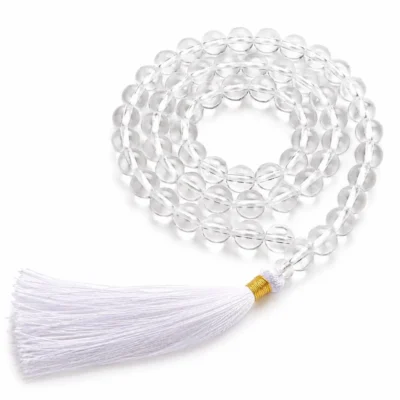 52% OFF
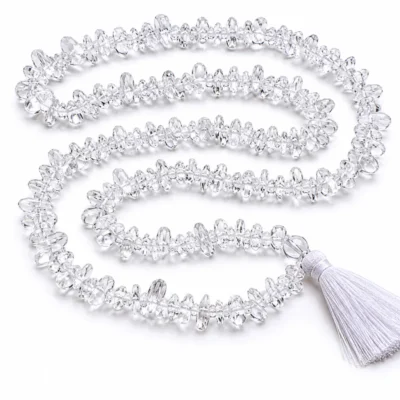 50% OFF
Namaveda is our own store — natural stones, cleansed and energised before dispatch.
Frequently asked questions
How often should I cleanse my crystals?+
A light cleanse once a month is a good rhythm for stones you wear or handle daily, and many people time it to Purnima or Amavasya. Protective stones kept near a door or desk, such as black tourmaline, are often cleansed every two weeks. Always cleanse a new stone before first use, and after an emotionally heavy period or after someone else has handled it.
Can I cleanse all crystals with salt water?+
No. Salt water can corrode metallic stones like pyrite and hematite, soak into porous stones like turquoise, lapis lazuli and pearl, and dull or pit soft stones like selenite, malachite and fluorite. Even for hard quartz, salt adds nothing that plain moonlight or smoke does not. If you want the symbolism of salt, keep the stone in a small glass bowl nested inside a bowl of dry salt, so it never touches it.
What is the difference between cleansing, charging and energising?+
In crystal practice, cleansing means clearing a stone of energy it is believed to have absorbed. Charging means refilling it, usually with moonlight, sunlight or a selenite plate. Energising, or the pran pratishtha-style ritual in Vedic tradition, is a devotional step where the gem is dedicated to its ruling graha with mantra before it is worn for the first time.
Can I dip a pearl or red coral ring in raw milk and Gangajal?+
Pearl and red coral are organic and porous, so a long soak can dull their lustre and leave residue inside. Instead, sprinkle a few drops of Gangajal over the ring, touch it briefly to raw milk if tradition in your family requires it, then rinse with clean water and pat dry immediately. Incense smoke and mantra are enough for the ritual.
Do I need a priest to energise a gemstone?+
Not necessarily. Many families perform a simple home ritual themselves: cleaning the ring, offering it to the graha on its weekday, chanting the beej mantra 108 times with sincere intention, and wearing it. Some people prefer a pandit for a fuller puja. Tradition places most weight on devotion and correct timing rather than elaborate steps.
Crystals ko moonlight (chandni) mein kaise charge karein?+
Crystal ko pehle dhuen se saaf karein, phir raat ko khuli jagah par seedhi chandni mein rakhein, ek crystal par ek sankalp karein aur suraj ki tez roshni se pehle utha lein. Chandni sab stones ke liye surakshit hai; selenite aur pyrite ko os/paani se bachayein, aur amethyst, rose quartz, citrine ko tez dhoop se.
How do I cleanse my crystals before Navratri?+
Sarva Pitru Amavasya — the new moon that falls the day before Navratri begins — is a popular day for a full household cleanse. Pass every stone through incense smoke or set them on a selenite plate, skip water for the non-water-safe ones in the table above, and re-energise them as Navratri's nine auspicious days begin. See our Navratri dates guide for this year's exact timing.
Not sure this stone is right for you? Check your birth chart in 10 seconds.