Pearl (Moti)
Chandra's soft-lit gem, traditionally worn for emotional balance, calm sleep and a gentler inner tide.
- Planet
- Moon (Chandra)
- Chakra
- Sacral, Heart
- Element
- Water
- Hardness
- Mohs 2.5 - 4.5
- Day
- Monday
- Finger
- Little finger of the working hand (some traditions use the ring finger)
- Metal
- Silver
- Price
- ₹500 – ₹5,000 per carat (cultured); natural Basra much higher
Pearl, or Moti, is the only navaratna made by a living creature. It forms when an oyster or mussel coats an irritant in layer after layer of nacre, the same iridescent material that lines the shell. That slow, patient process gives pearl its signature glow, a soft light that seems to come from inside rather than bounce off the surface.
In Vedic astrology, pearl belongs to Chandra, the Moon, who governs the mind, emotions, mother, memory and our sense of nourishment. When the Moon is weak or afflicted in a chart, people often describe feeling restless, over-sensitive or unable to switch off. Pearl is traditionally believed to cool and steady the mind, which is why it is one of the most commonly recommended gems in Indian households, often worn by students, new mothers and anyone going through an emotionally demanding season.
Today almost all pearls sold are cultured, grown with human help in pearl farms, while natural Basra pearls from the Persian Gulf are rare and expensive. Both are genuine pearls. For Jyotish use, look for a round or near-round South Sea or freshwater pearl with smooth skin and strong lustre, and ask for a lab report confirming it is natural or cultured rather than a coated bead. Treat it gently, as pearl is one of the softest gems you can own.
Benefits of Pearl
- Traditionally believed to calm an overactive or anxious mind
- Associated in Jyotish with emotional balance and softer relationships at home
- Linked with restful sleep and a more settled daily routine
- Worn by many to honour and strengthen the bond with one's mother
- Believed to support creativity, intuition and imaginative work
- Often chosen by people in caring, hospitality and public-facing roles
Pearl in Vedic astrology
Moti is the ratna of Chandra, the Moon, who in Jyotish is considered as important as the ascendant itself, since the Moon sign shapes how we feel and respond. Classical texts describe the ideal pearl as round, smooth, bright as moonlight and free of cracks. The Moon waxes and wanes, and many astrologers recommend first wearing pearl during Shukla Paksha, the bright fortnight. It is traditionally favoured for Cancer, Scorpio and Pisces ascendants and during Chandra mahadasha, though a chart reading should always confirm suitability.
✓ Who should wear Pearl
- Cancer ascendants, for whom the Moon is the lagna lord
- Scorpio and Pisces ascendants, where the Moon rules a trikona (trine) house
- People running Chandra mahadasha or antardasha, after an astrologer's review
- Those whose Moon is weak, waning or afflicted by Saturn, Rahu or Ketu in the birth chart
✕ Who should avoid it
- Taurus, Gemini, Virgo, Capricorn and Aquarius ascendants are often advised caution
- Anyone wearing hessonite or cat's eye, as the Moon is traditionally hostile to Rahu and Ketu
- People who find themselves feeling excessively emotional or withdrawn should consult an astrologer before continuing
Is Pearl right for your Lagna?
In Jyotish a stone's suitability depends on which houses its planet (Moon) rules for your Ascendant. Tap your Lagna for the full reasoning.
Moti kaun pahne? (Pearl kisko pehenna chahiye)
Moti Moon (Chandra) ka ratna hai. Paramparik roop se ye in Lagna walon ke liye anukool maana jata hai: Karka, Vrishchika, Meena. In Lagna mein pehle kundli dikhayein: Mesha, Vrishabha, Mithuna, Kanya, Tula, Makara. Aam taur par ye Lagna ise nahi pehente: Simha, Dhanu, Kumbha. Ye sirf Lagna ka paramparik niyam hai; mahange ratna pehenne se pehle apni kundli kisi yogya jyotishi ko zaroor dikhayein.
How to wear Pearl
| Finger | Little finger of the working hand (some traditions use the ring finger) |
|---|---|
| Metal | Silver |
| Day | Monday |
| Time | Morning after sunrise, or Monday evening during Shukla Paksha |
| Weight / form | Traditionally 4-8 carats (roughly 4-7 ratti); round shapes are preferred |
| Beej mantra | Om Shraam Shreem Shraum Sah Chandraya Namah (108×) |
How to cleanse & charge Pearl
- Wipe gently with a soft cloth slightly dampened with plain water, then air dry flat
- Leave under moonlight on a full-moon night on a clean white cloth
- Keep in a small bowl of uncooked rice overnight for a gentle, dry cleanse
- Hold in your palm and chant the Chandra beej mantra
Avoid: Salt, vinegar, lemon, perfume, hairspray and any acid, which dissolve nacre; Soaking in water or prolonged sun and heat, which can dull, dry or crack the surface.
Best dates to charge: the next Purnima — see the live moon cleansing calendar.
Where to place Pearl as per Vastu
Direction: North-West · Rooms: Bedroom, Children's Room
Place a pearl or a small bowl of pearls in a silver dish in the north-west corner of the bedroom to support a calm atmosphere.
How to check if Pearl is real
Fakes are usually glass, plastic or shell beads coated with a pearlescent lacquer, sometimes sold as Majorica or shell pearls.
Take the interactive real vs fake crystal test to get an authenticity score.
Pearl price
Typical price in India: ₹500 – ₹5,000 per carat (cultured); natural Basra much higher. International: $10 – $100 per carat (cultured); natural far higher. Price depends on origin, clarity, colour, size and treatment.
Shop Pearl
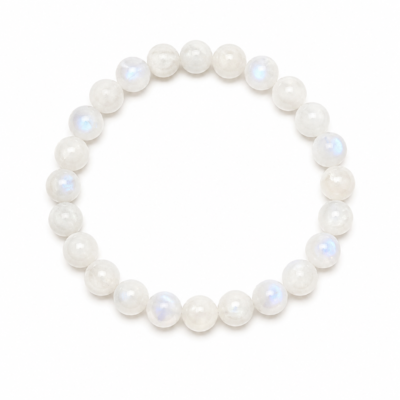 53% OFF
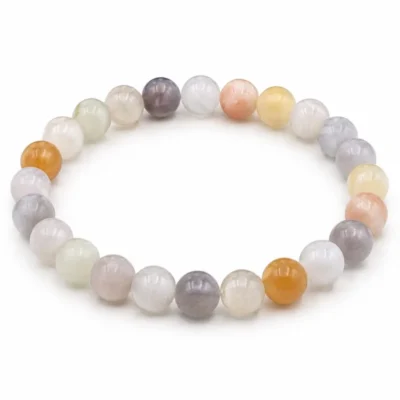 53% OFF
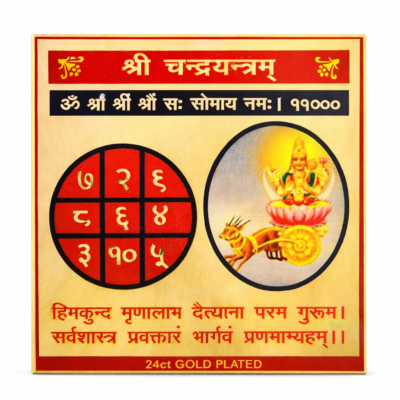 50% OFF
Namaveda is our own store — natural stones, cleansed and energised before dispatch.
Pearl FAQs
Are cultured pearls acceptable for astrology?+
Most astrologers today accept good-quality cultured pearls, because natural pearls have become extremely rare and costly. A cultured pearl is still created by an oyster from real nacre. What you should avoid is imitation pearls made of glass or plastic. A lab report confirming natural or cultured pearl gives you that assurance.
Can pearl be worn by everyone?+
Pearl is considered one of the gentler navaratnas, but it is not universal. In Jyotish, its suitability depends on which houses the Moon rules and occupies in your chart. For some ascendants it is traditionally avoided. A short consultation with an astrologer is the best way to know whether Moti suits you.
How should I clean a pearl ring?+
Pearls are soft and sensitive to chemicals. Put your ring on after perfume, lotion and makeup, and wipe it with a soft, slightly damp cloth after wearing. Never use salt, vinegar, lemon or jewellery dips, and do not soak it. Store it separately in a soft pouch so harder gems cannot scratch it.
Why is pearl worn on the little finger?+
Many Jyotish traditions prescribe the little finger for pearl, while others use the ring finger. Both are accepted in different lineages. The key is that the pearl is set in silver, open at the back so it touches the skin, and worn on a Monday. Follow your astrologer's guidance on which finger suits your chart.
Moti kaun pahne? (Pearl kisko pehenna chahiye)+
Paramparik roop se Moti Karka, Vrishchika, Meena Lagna walon ke liye anukool maana jata hai. Mahange ratna se pehle kundli dikhana behtar hai.
Not sure this stone is right for you? Check your birth chart in 10 seconds.