Citrine (Sunela)
Sunela, the honey-gold quartz traditionally worn for Guru's blessings, optimism and steady abundance.
- Planet
- Jupiter (Guru / Brihaspati)
- Chakra
- Solar Plexus, Sacral
- Element
- Fire
- Hardness
- Mohs 7
- Day
- Thursday, ideally during Shukla Paksha (waxing moon)
- Finger
- Index finger of the working hand
- Metal
- Gold, or gold-plated silver / panchdhatu as an economical option
- Price
- ₹300 - ₹2,500 per carat (natural); ₹250 - ₹1,500 for tumbled stones
Citrine is the golden member of the quartz family, known across India as Sunela. Its colour ranges from pale champagne to warm honey, and in Jyotish it is the best-known upratna, or traditional substitute, for Yellow Sapphire (Pukhraj). For anyone drawn to Jupiter's qualities of wisdom, generosity and growth but not ready to invest in a fine sapphire, Sunela has long been the practical first step.
A little honesty helps here. Natural citrine is rare, and most of the deep orange or reddish 'citrine' sold online is heat-treated amethyst. You can often spot it on clusters and points: a milky white base with burnt orange tips. Natural stones tend to be softer, more even and slightly smoky in tone. Both are genuine quartz, but if you want the traditional Sunela, ask your seller directly whether the colour is natural or heated.
In modern crystal practice citrine is called the merchant's stone and is kept near cash boxes, shop counters and home offices. In Vedic practice it is traditionally worn in gold on the index finger on a Thursday morning after reciting Jupiter's beej mantra. Whichever path you follow, treat it as a daily reminder of intention rather than a promise of results: a small, bright anchor for the kind of abundance you are working towards.
Benefits of Citrine
- Traditionally believed to strengthen a weak or afflicted Jupiter as a gentle Pukhraj alternative
- Associated with optimism, confidence and a generous, open outlook
- Kept by many shopkeepers and freelancers as a 'merchant's stone' for steady business
- Believed in crystal practice to support focus and motivation for study and teaching
- Linked with the solar plexus chakra and a sense of personal willpower
- Considered a warm, uplifting stone for workspaces and family rooms
Citrine in Vedic astrology
In Jyotish, Jupiter (Guru or Brihaspati) is the great benefic, governing wisdom, children, dharma, teachers and wealth earned with integrity. Its primary gem is Yellow Sapphire, but classical and folk traditions recognise yellow stones such as Sunela and yellow topaz as upratnas for those who cannot afford or source a clean Pukhraj. Astrologers traditionally recommend it where Jupiter rules helpful houses in the chart, and some suggest it as a trial stone before committing to a sapphire. Its effect is traditionally described as milder and slower than the navaratna, which is why a slightly larger weight is usually advised.
✓ Who should wear Citrine
- Sagittarius (Dhanu) and Pisces (Meena) lagnas, where Jupiter is the lagna lord
- Aries, Cancer, Leo and Scorpio lagnas, where Jupiter traditionally rules favourable houses
- Anyone running a Jupiter mahadasha or antardasha where Guru is well placed
- Teachers, advisors, students and people starting a business who want a Pukhraj alternative
✕ Who should avoid it
- Taurus, Libra, Capricorn and Aquarius lagnas are traditionally cautioned unless an astrologer approves
- Those already wearing Diamond or Blue Sapphire should consult before combining with a Jupiter stone
- Anyone expecting it to replace financial planning or professional advice
Is Citrine right for your Lagna?
In Jyotish a stone's suitability depends on which houses its planet (Jupiter) rules for your Ascendant. Tap your Lagna for the full reasoning.
Sunela kaun pahne? (Citrine kisko pehenna chahiye)
Sunela Jupiter (Guru / Brihaspati) ka ratna hai. Paramparik roop se ye in Lagna walon ke liye anukool maana jata hai: Vrishchika, Dhanu, Meena. In Lagna mein pehle kundli dikhayein: Mesha, Mithuna, Karka, Simha, Kanya, Kumbha. Aam taur par ye Lagna ise nahi pehente: Vrishabha, Tula, Makara. Ye sirf Lagna ka paramparik niyam hai; mahange ratna pehenne se pehle apni kundli kisi yogya jyotishi ko zaroor dikhayein.
How to wear Citrine
| Finger | Index finger of the working hand |
|---|---|
| Metal | Gold, or gold-plated silver / panchdhatu as an economical option |
| Day | Thursday, ideally during Shukla Paksha (waxing moon) |
| Time | Morning, within about two hours after sunrise |
| Weight / form | 5-8 carats for a ring; any size as a tumbled stone, bracelet or desk cluster |
| Beej mantra | Om Graam Greem Graum Sah Gurave Namah (108×) |
How to cleanse & charge Citrine
- Rinse briefly under lukewarm running water and pat dry with a soft cloth
- Rest overnight on a clear quartz or selenite plate
- Smudge with sandalwood incense or camphor smoke
- Place under the full moon on a windowsill
Avoid: Long hours in direct sunlight, which can fade the yellow colour; Sudden temperature changes such as hot water after a cold room.
Best dates to charge: the next Purnima — see the live moon cleansing calendar.
Where to place Citrine as per Vastu
Direction: North-East, North · Rooms: Work Desk, Shop Counter, Pooja Room
Place a citrine point or cluster in the north-east corner of your desk or cash counter, cleaned and facing the room, to follow the traditional Jupiter placement.
How to check if Citrine is real
Most mass-market 'citrine' is heat-treated amethyst, while outright fakes are yellow glass, dyed quartz or resin.
Take the interactive real vs fake crystal test to get an authenticity score.
Citrine price
Typical price in India: ₹300 - ₹2,500 per carat (natural); ₹250 - ₹1,500 for tumbled stones. International: $5 - $40 per carat; $8 - $30 for tumbled or bracelets. Price depends on origin, clarity, colour, size and treatment.
Shop Citrine
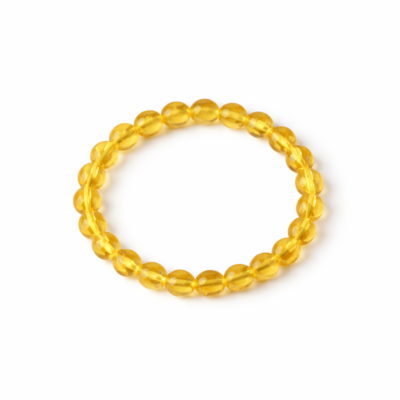 53% OFF
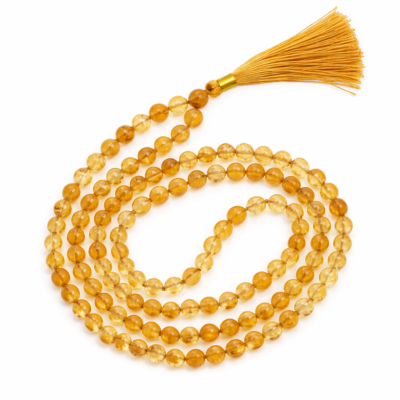 52% OFF
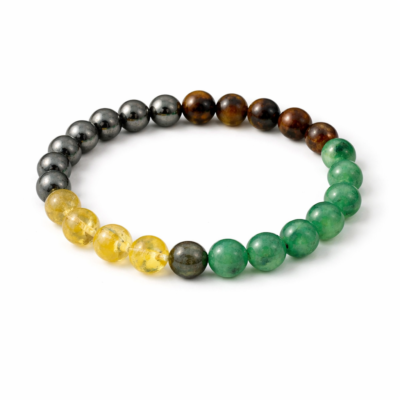 53% OFF
Namaveda is our own store — natural stones, cleansed and energised before dispatch.
Citrine FAQs
Is citrine a good substitute for Yellow Sapphire (Pukhraj)?+
In Jyotish, citrine (Sunela) is one of the recognised upratnas for Jupiter and is traditionally used by people who cannot yet afford a clean Pukhraj. Its effect is described as gentler and slower, so astrologers usually suggest a larger stone of five carats or more. It is best to confirm with an astrologer that Jupiter is favourable in your chart before wearing it.
How can I tell if my citrine is heat-treated amethyst?+
Look at clusters and points first. Heated amethyst typically has a white or colourless base with intense orange to reddish tips, which does not occur in natural citrine. Natural stones are usually paler, more even and sometimes slightly smoky. Heated material is still real quartz, but it is not natural citrine, and a trustworthy seller should disclose the treatment.
Can citrine be kept in sunlight to charge it?+
It is better not to. Prolonged direct sunlight can gradually fade citrine's yellow colour, especially paler natural stones. A few minutes of morning sun is unlikely to harm it, but for regular charging use moonlight, a selenite or clear quartz plate, or incense smoke. Store it away from sunny windowsills when you are not wearing it.
Which hand and finger should I wear a citrine ring on?+
Traditionally, Jupiter's stones are worn on the index finger, the finger associated with Guru in palmistry. Most astrologers recommend the right hand for right-handed people, set in gold and worn on a Thursday morning after chanting the Jupiter beej mantra 108 times. A bracelet or pendant is a gentler everyday option.
Sunela kaun pahne? (Citrine kisko pehenna chahiye)+
Paramparik roop se Sunela Vrishchika, Dhanu, Meena Lagna walon ke liye anukool maana jata hai. Mahange ratna se pehle kundli dikhana behtar hai.
Not sure this stone is right for you? Check your birth chart in 10 seconds.