Amethyst (Jamunia)
Shani's gentle upratna, traditionally worn for calm focus, better sleep and a quieter mind.
- Planet
- Saturn (Shani)
- Chakra
- Third Eye, Crown
- Element
- Air
- Hardness
- Mohs 7
- Day
- Saturday
- Finger
- Middle finger of the working hand
- Metal
- Silver or panchdhatu
- Price
- ₹50 – ₹500 per carat (tumbled stones and bracelets from ₹300)
Amethyst is the purple variety of quartz, coloured by traces of iron and natural irradiation within the earth. Its shades range from soft lilac to deep royal violet, and many stones show gentle zones or chevrons of colour. The ancient Greeks called it amethystos, meaning 'not intoxicated', and believed it kept the wearer clear-headed. In India it is known as Jamunia, after the purple jamun fruit, or Katela, and is widely available from Brazil, Uruguay, Zambia and even Indian deposits.
In Jyotish, amethyst is the most popular upratna for Shani, the planet Saturn. Where blue sapphire is intense and must be tested carefully, amethyst is traditionally believed to carry a softer, more approachable version of Saturn's energy: patience, structure, focus and calm persistence. Many astrologers suggest it as a first step for people whose charts favour Saturn but who are not yet ready to wear Neelam, or who simply want a gentler reminder to slow down and stay disciplined.
Beyond astrology, amethyst is one of the most loved crystals in modern wellness spaces, often kept on bedside tables, study desks and meditation altars. It is durable enough for daily rings and bracelets, but keep it out of direct sunlight, which can slowly fade its colour. Choose stones with rich, even colour and natural zoning.
Benefits of Amethyst
- Traditionally believed to encourage a calm, clear and sober mind
- Associated in Jyotish with a gentler form of Saturn's discipline and focus
- Linked with restful sleep when kept near the bed
- Worn by many as a soft first step before considering blue sapphire
- Believed to support meditation, prayer and spiritual practice
- Often chosen to help build steady habits and resist impulsive choices
Amethyst in Vedic astrology
In Jyotish, amethyst (Jamunia or Katela) is regarded as an upratna, a secondary gem, of Shani, sharing Neelam's violet-blue connection with Saturn. Upratnas are traditionally believed to work more gently than navaratnas, which makes amethyst a common recommendation for Capricorn, Aquarius, Taurus and Libra ascendants, or during Sade Sati and Shani dhaiya when an astrologer prefers a milder remedy. It is also valued for mala beads used in Shani and Shiva japa, and as an accessible remedy for people with modest budgets.
✓ Who should wear Amethyst
- Capricorn and Aquarius ascendants, for whom Saturn is the lagna lord
- Taurus and Libra ascendants, where Saturn is traditionally a yogakaraka
- People who want a gentle Saturn remedy during Sade Sati, after an astrologer's advice
- Anyone seeking a calming crystal for meditation or sleep, worn as a bracelet or kept nearby
✕ Who should avoid it
- Aries, Cancer, Leo and Scorpio ascendants are often advised to consult an astrologer before wearing it as a ring
- Anyone already wearing ruby, pearl or red coral should seek guidance, due to Saturn's traditional enmity with these grahas
Is Amethyst right for your Lagna?
In Jyotish a stone's suitability depends on which houses its planet (Saturn) rules for your Ascendant. Tap your Lagna for the full reasoning.
Jamunia kaun pahne? (Amethyst kisko pehenna chahiye)
Jamunia Saturn (Shani) ka ratna hai. Paramparik roop se ye in Lagna walon ke liye anukool maana jata hai: Vrishabha, Tula, Makara, Kumbha. In Lagna mein pehle kundli dikhayein: Mesha, Mithuna, Karka, Simha, Kanya, Vrishchika, Dhanu. Aam taur par ye Lagna ise nahi pehente: Meena. Ye sirf Lagna ka paramparik niyam hai; mahange ratna pehenne se pehle apni kundli kisi yogya jyotishi ko zaroor dikhayein.
How to wear Amethyst
| Finger | Middle finger of the working hand |
|---|---|
| Metal | Silver or panchdhatu |
| Day | Saturday |
| Time | Morning or evening during Shani hora on Saturday |
| Weight / form | Traditionally 5-8 carats as a ring, or as a bracelet or tumbled stone |
| Beej mantra | Om Praam Preem Praum Sah Shanaye Namah (108×) |
How to cleanse & charge Amethyst
- Rinse under cool running water and pat dry
- Rest on a bed of dry salt or in a bowl of uncooked rice overnight
- Leave under moonlight, especially on a full-moon night
- Place on a selenite plate or near a clear quartz cluster
Avoid: Direct sunlight for long periods, which can fade the purple colour; High heat, which can permanently change amethyst to a yellow-brown tone.
Best dates to charge: the next Purnima — see the live moon cleansing calendar.
Where to place Amethyst as per Vastu
Direction: West, North-East · Rooms: Bedroom, Meditation Corner, Study Room
Keep an amethyst cluster on the west side of your study or a tumbled stone on the bedside table, away from sunny windowsills.
How to check if Amethyst is real
Fakes are usually purple glass, dyed quartz, resin, or lab-grown hydrothermal amethyst sold as natural.
Take the interactive real vs fake crystal test to get an authenticity score.
Amethyst price
Typical price in India: ₹50 – ₹500 per carat (tumbled stones and bracelets from ₹300). International: $1 – $20 per carat. Price depends on origin, clarity, colour, size and treatment.
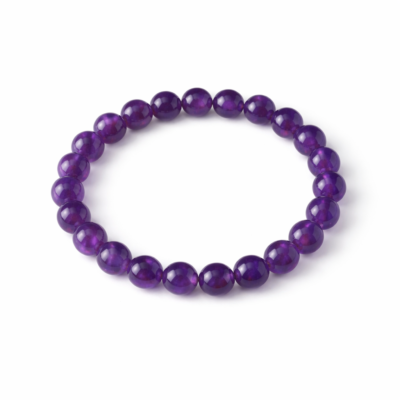
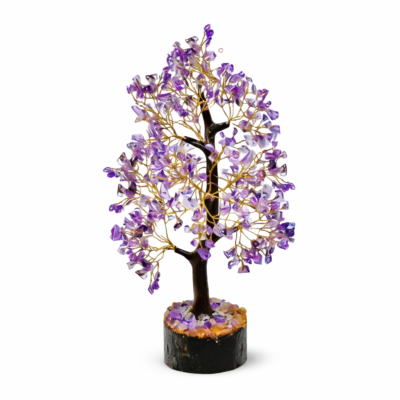
Shop Amethyst
 54% OFF
 53% OFF
 53% OFF
Namaveda is our own store — natural stones, cleansed and energised before dispatch.
Amethyst FAQs
Is amethyst a good substitute for blue sapphire?+
Yes, amethyst is one of the most widely recommended upratnas for Neelam. It is traditionally believed to carry a milder version of Saturn's energy, which is why many astrologers suggest it as a first step. It is affordable, durable and easy to find, though it is not considered as powerful as a natural blue sapphire.
Can I keep amethyst in my bedroom?+
Amethyst is one of the most popular crystals for the bedroom and is traditionally associated with calm and restful sleep. Place a tumbled stone or small cluster on your bedside table or under your pillow. Keep it away from sunny windows, since strong sunlight can gradually fade its purple colour.
Does amethyst fade in the sun?+
Yes. Prolonged exposure to direct sunlight or high heat can slowly lighten or change amethyst's colour. Avoid charging it in the sun and do not leave it on a bright windowsill. Moonlight, dry salt, rice or a selenite plate are safer ways to cleanse and recharge it.
Can anyone wear an amethyst bracelet?+
Amethyst bracelets are widely worn as healing crystals and are considered gentle. If you are wearing it specifically as a Saturn remedy, however, it is wise to consult an astrologer, as Saturn is not favourable for every ascendant. As a calming accessory, most people enjoy it without concern.
Jamunia kaun pahne? (Amethyst kisko pehenna chahiye)+
Paramparik roop se Jamunia Vrishabha, Tula, Makara, Kumbha Lagna walon ke liye anukool maana jata hai. Mahange ratna se pehle kundli dikhana behtar hai.
Not sure this stone is right for you? Check your birth chart in 10 seconds.