Moonstone (Chandrakant Mani)
Chandrakant Mani, the softly glowing feldspar traditionally worn to calm the mind and honour the Moon.
- Planet
- Moon (Chandra)
- Chakra
- Sacral, Third Eye, Crown
- Element
- Water
- Hardness
- Mohs 6 - 6.5
- Day
- Monday, ideally during Shukla Paksha
- Finger
- Little finger (some traditions use the ring finger)
- Metal
- Silver
- Price
- ₹150 - ₹1,500 per carat; ₹500 - ₹3,000 for bracelets
Moonstone is a feldspar that shows adularescence, a soft, floating glow that seems to move just beneath the surface as you turn the stone. It happens because thin alternating layers of two feldspar minerals scatter light, which is why the best pieces look like moonlight on water. Colours range from colourless and milky white to peach, grey and a rarer blue-sheen variety.
In India moonstone is called Chandrakant Mani, literally the jewel loved by the Moon, and in Jyotish it is the best-known upratna for Pearl (Moti), the navaratna of Chandra. The Moon governs the mind, emotions, sleep, mother and nurturing, so Chandrakant is traditionally recommended for people whose Moon is weak or afflicted, or who simply feel restless and emotionally stretched. Many astrologers prefer it to cultured pearls because it is harder and more durable for daily wear.
A note for shoppers: much of what is sold as 'rainbow moonstone' is actually a white variety of labradorite with blue flashes. It is a lovely stone, but it is a different mineral. Moonstone has distinct cleavage planes, so avoid knocking it against hard surfaces and remove rings during heavy work. With simple care, its gentle glow lasts for generations.
Benefits of Moonstone
- Traditionally believed to strengthen a weak or afflicted Moon as a Pearl substitute
- Associated with emotional balance, calm and restful sleep
- Believed to support intuition, empathy and nurturing qualities
- Linked with the sacral chakra and the natural rhythm of cycles
- Considered a gentle stone for mothers, new parents and caregivers
- Popular for meditation and journaling around the full moon
Moonstone in Vedic astrology
In Jyotish, the Moon (Chandra) is the karaka of the mind (manas), emotions, mother, home and public image. A strong Moon is traditionally linked with emotional steadiness, while a weak or afflicted Moon is associated with worry and restlessness. Pearl is the Moon's navaratna, and Chandrakant Mani is one of its most widely used upratnas, valued for its cool, milky glow that mirrors moonlight. It is traditionally set in silver, worn on a Monday during Shukla Paksha, and energised by chanting the Chandra beej mantra 108 times while facing north-west.
✓ Who should wear Moonstone
- Cancer (Karka) lagna, where the Moon is the lagna lord
- Aries, Scorpio and Pisces lagnas, where the Moon traditionally rules favourable houses
- People in Chandra mahadasha or antardasha with a well-placed Moon
- Anyone seeking emotional calm, better sleep routines or a Pearl alternative
✕ Who should avoid it
- Capricorn (Makara) and Aquarius (Kumbha) lagnas are traditionally cautioned unless an astrologer approves
- Those wearing Hessonite, Cat's Eye or Blue Sapphire should consult before combining
- People doing heavy manual work, as moonstone can chip along its cleavage
Is Moonstone right for your Lagna?
In Jyotish a stone's suitability depends on which houses its planet (Moon) rules for your Ascendant. Tap your Lagna for the full reasoning.
Chandrakant Mani kaun pahne? (Moonstone kisko pehenna chahiye)
Chandrakant Mani Moon (Chandra) ka ratna hai. Paramparik roop se ye in Lagna walon ke liye anukool maana jata hai: Karka, Vrishchika, Meena. In Lagna mein pehle kundli dikhayein: Mesha, Vrishabha, Mithuna, Kanya, Tula, Makara. Aam taur par ye Lagna ise nahi pehente: Simha, Dhanu, Kumbha. Ye sirf Lagna ka paramparik niyam hai; mahange ratna pehenne se pehle apni kundli kisi yogya jyotishi ko zaroor dikhayein.
How to wear Moonstone
| Finger | Little finger (some traditions use the ring finger) |
|---|---|
| Metal | Silver |
| Day | Monday, ideally during Shukla Paksha |
| Time | Morning after bathing, or in the evening after moonrise |
| Weight / form | 4-6 carats for a ring; 8 mm beads for a bracelet |
| Beej mantra | Om Shraam Shreem Shraum Sah Chandraya Namah (108×) |
How to cleanse & charge Moonstone
- Rinse briefly in lukewarm water and dry gently with a soft cloth
- Leave under the full moon overnight on a dry cloth
- Rest on a selenite plate
- Smudge with sandalwood or jasmine incense
Avoid: Salt, harsh chemicals and ultrasonic cleaners; Knocks and sudden temperature changes that can split it along cleavage planes.
Best dates to charge: the next Purnima — see the live moon cleansing calendar.
Where to place Moonstone as per Vastu
Direction: North-West · Rooms: Bedroom, Meditation Corner
Keep a moonstone tumble or sphere in the north-west of the bedroom, the Moon's traditional Vastu direction, to support a calm sleeping space.
How to check if Moonstone is real
Fakes are usually opalite (a man-made glass) or milky glass, while 'rainbow moonstone' is commonly white labradorite rather than true moonstone.
Take the interactive real vs fake crystal test to get an authenticity score.
Moonstone price
Typical price in India: ₹150 - ₹1,500 per carat; ₹500 - ₹3,000 for bracelets. International: $3 - $30 per carat; $15 - $60 for bracelets. Price depends on origin, clarity, colour, size and treatment.
Shop Moonstone
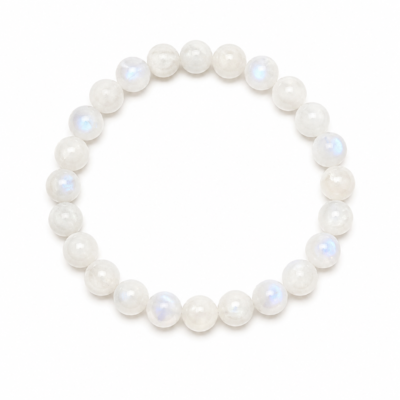 53% OFF
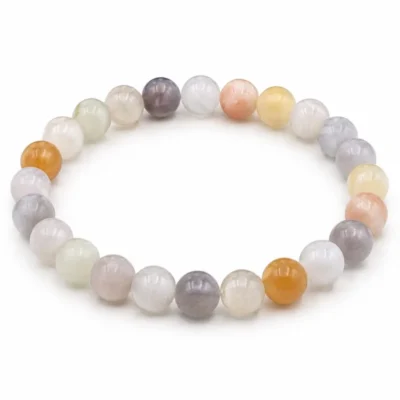 53% OFF
 52% OFF
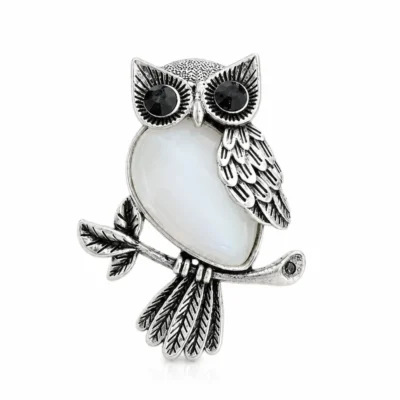 54% OFF
Namaveda is our own store — natural stones, cleansed and energised before dispatch.
Moonstone FAQs
Is moonstone a substitute for Pearl?+
Yes. In Jyotish, moonstone (Chandrakant Mani) is one of the most widely used upratnas for the Moon, whose navaratna is Pearl. Some astrologers prefer it because it is harder and holds up better to daily wear than pearl. Confirm with an astrologer that the Moon is favourable in your chart before wearing it as a remedy.
Is rainbow moonstone real moonstone?+
Usually not. Most rainbow moonstone in the market is a white variety of labradorite, which shows blue, green and golden flashes. True moonstone is orthoclase feldspar with a softer, floating white to blue glow. Both are natural and beautiful, but if you want the traditional Chandrakant Mani, ask for orthoclase moonstone.
Which finger should moonstone be worn on?+
The most common tradition is the little finger of the working hand, set in silver and worn on a Monday during the waxing moon. Some astrologers suggest the ring finger instead. Chant the Chandra beej mantra 108 times before wearing it for the first time.
Can moonstone help with sleep?+
Moonstone is traditionally believed to calm the mind and support restful sleep, which is why many people keep it on a bedside table or under the pillow. It is a comforting ritual rather than a treatment. If sleep problems persist, please speak with a doctor alongside any crystal practice.
Chandrakant Mani kaun pahne? (Moonstone kisko pehenna chahiye)+
Paramparik roop se Chandrakant Mani Karka, Vrishchika, Meena Lagna walon ke liye anukool maana jata hai. Mahange ratna se pehle kundli dikhana behtar hai.
Not sure this stone is right for you? Check your birth chart in 10 seconds.