Hessonite (Gomed)
Rahu's honey-toned gem, traditionally worn to steady ambition and bring clarity to confusing times.
- Planet
- Rahu (Rahu (North Node))
- Chakra
- Root, Sacral
- Element
- Air
- Hardness
- Mohs 7 - 7.5
- Day
- Saturday
- Finger
- Middle finger of the working hand
- Metal
- Silver or panchdhatu (ashtadhatu is also traditional)
- Price
- ₹300 – ₹3,000 per carat (Ceylon stones at the upper end)
Hessonite, called Gomed in India, is an orange-brown to cinnamon-coloured variety of grossular garnet. Its name comes from the Greek word for 'less', because it is slightly softer and lighter than many other garnets. Look closely at a good hessonite and you will often see a swirling, treacly texture inside, a natural heat-wave effect that gemmologists use as a signature. The finest stones come from Sri Lanka and are prized for a clean, warm, honey-cola colour.
In Jyotish, Gomed is the gem of Rahu, the north node of the Moon. Rahu is a shadow planet (chhaya graha) with no physical body, associated with ambition, foreign lands, technology, sudden change, illusion and unconventional paths. When Rahu is strong and favourable, it is believed to give bold ideas and rapid rise; when afflicted, it can feel like confusion, restlessness or being pulled in too many directions. Hessonite is traditionally believed to channel Rahu's energy into focus and clear judgement.
Because Rahu's influence is complex, Gomed should be chosen with an astrologer's advice rather than as a general good-luck stone. Hessonite is affordable compared with most navaratnas, so there is little reason to accept an imitation. Look for a transparent, well-cut stone with natural inclusions, avoid dark or muddy pieces, and ask for a GII or IGI certificate confirming it is natural grossular garnet.
Benefits of Hessonite
- Traditionally believed to bring mental clarity during confusing or unstable phases
- Associated in Jyotish with success in technology, research, media and politics
- Linked with support for foreign travel, relocation and international work
- Worn by many to channel ambition into focused, practical steps
- Believed to ease the restlessness associated with an afflicted Rahu, as advised by an astrologer
- Often chosen during Rahu mahadasha when Rahu is favourably placed
Hessonite in Vedic astrology
Gomed is the ratna of Rahu, the head of the celestial serpent in the Samudra Manthan legend, who drank the nectar of immortality and was severed by Vishnu's discus. As a chhaya graha, Rahu has no sign of its own and acts like the lord of the sign it occupies, so astrologers judge it by dispositor, house and conjunctions. Hessonite is traditionally recommended when Rahu is well placed in the 3rd, 6th, 10th or 11th houses, during Rahu mahadasha, or for ascendants such as Taurus, Gemini, Libra, Capricorn and Aquarius.
✓ Who should wear Hessonite
- Taurus, Gemini, Libra, Capricorn and Aquarius ascendants where Rahu is favourable
- People running Rahu mahadasha or antardasha with a well-placed Rahu, after an astrologer's review
- Those with Rahu in the 3rd, 6th, 10th or 11th house, as traditionally assessed
- Professionals in technology, research, politics, media or foreign trade whose chart supports Rahu
✕ Who should avoid it
- Anyone wearing ruby, pearl or red coral, as Rahu is traditionally hostile to the Sun, Moon and Mars
- People for whom Rahu sits in difficult houses without supporting factors should seek detailed guidance
- Anyone who notices increased confusion or anxiety after wearing it should remove it and consult an astrologer
Is Hessonite right for your Lagna?
In Jyotish a stone's suitability depends on which houses its planet (Rahu) rules for your Ascendant. Tap your Lagna for the full reasoning.
Gomed kaun pahne? (Hessonite kisko pehenna chahiye)
Gomed Rahu (Rahu (North Node)) ka ratna hai. Rahu-Ketu ka phal Lagna se nahi, kundli mein unki sthiti aur Dasha se dekha jata hai, isliye ise pehenne se pehle kisi yogya jyotishi se kundli dikhana zaroori hai.
How to wear Hessonite
| Finger | Middle finger of the working hand |
|---|---|
| Metal | Silver or panchdhatu (ashtadhatu is also traditional) |
| Day | Saturday |
| Time | Evening after sunset, or during Rahu kaal on Saturday as per your astrologer |
| Weight / form | Traditionally 5-8 carats (roughly 5-8 ratti) |
| Beej mantra | Om Bhraam Bhreem Bhraum Sah Rahave Namah (108×) |
How to cleanse & charge Hessonite
- Rinse in lukewarm water with mild soap and dry with a soft cloth
- Dip in raw milk and Ganga jal with a few blades of durva grass before first wearing, as per tradition
- Pass through the smoke of guggul or sandalwood incense
- Rest under moonlight overnight
Avoid: Sudden temperature changes, such as hot water right after cold, which can crack garnets; Ultrasonic and steam cleaners.
Best dates to charge: the next Purnima — see the live moon cleansing calendar.
Where to place Hessonite as per Vastu
Direction: South-West · Rooms: Home Office, Master Bedroom
Keep a hessonite or Rahu yantra in the south-west zone of your home office to support stability and grounded ambition.
How to check if Hessonite is real
Fakes are usually orange-brown glass, citrine, cola-coloured cubic zirconia, or dark zircon sold as Gomed.
Take the interactive real vs fake crystal test to get an authenticity score.
Hessonite price
Typical price in India: ₹300 – ₹3,000 per carat (Ceylon stones at the upper end). International: $5 – $60 per carat. Price depends on origin, clarity, colour, size and treatment.
Shop Hessonite
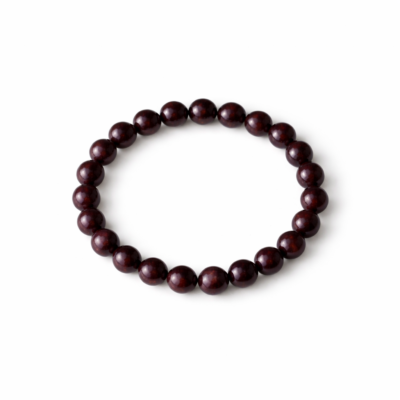 53% OFF
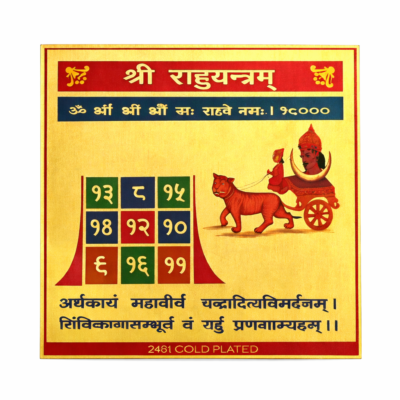 50% OFF
Namaveda is our own store — natural stones, cleansed and energised before dispatch.
Hessonite FAQs
Who should wear Gomed?+
Gomed is traditionally recommended when Rahu is favourably placed in the birth chart, often in the 3rd, 6th, 10th or 11th house, or during a supportive Rahu mahadasha. Because Rahu behaves like the lord of the sign it occupies, astrologers study the whole chart. It is not a general good-luck stone, so professional guidance is important.
Is Ceylon hessonite better than African?+
Sri Lankan hessonite is traditionally preferred for its transparent, clean honey colour, while African stones are often darker or more brownish. Both are natural grossular garnet and acceptable in Jyotish. Choose a stone with good transparency and no large cracks, and confirm it with a lab certificate.
Can Gomed and Lehsunia be worn together?+
Some astrologers prescribe hessonite and cat's eye together because Rahu and Ketu always sit exactly opposite each other in the chart. Others prefer to address them separately. This combination should only be worn on an astrologer's specific advice, since both are shadow planets with strong effects.
How long does it take to feel the effect of hessonite?+
Traditions vary, but many astrologers say Gomed's effects are felt gradually over a few weeks. As with all gemstones, results are a matter of belief and personal experience, not guarantees. Observe your routine, focus and mood, and consult your astrologer if anything feels uncomfortable.
Gomed kaun pahne? (Hessonite kisko pehenna chahiye)+
Gomed Rahu ka ratna hai; iska phal kundli mein Rahu ki sthiti se dekha jata hai, sirf Lagna se nahi. Pehenne se pehle yogya jyotishi se kundli dikhayein.
Not sure this stone is right for you? Check your birth chart in 10 seconds.