Garnet (Tamda)
A deep wine-red gem with a double role in Jyotish: Sun upratna and traditional Gomed substitute for Rahu.
- Planet
- Sun (Surya)
- Chakra
- Root, Heart
- Element
- Fire
- Hardness
- Mohs 6.5 - 7.5
- Day
- Sunday for the Sun; Saturday for Rahu
- Finger
- Ring finger (for the Sun); middle finger if worn as a Gomed substitute for Rahu
- Metal
- Gold or copper for the Sun; silver or panchdhatu for Rahu
- Price
- Rs 150 - Rs 2,500 per carat
Garnet is not one mineral but a family of closely related silicates. The red garnets most often seen in Indian jewellery are almandine and pyrope, prized for their deep wine, pomegranate and cherry tones. In fact, the word garnet is thought to come from the Latin for pomegranate seed. India, particularly Rajasthan and Odisha, has been an important source for centuries, and garnet beads appear in Mughal and Rajput jewellery alike.
In Hindi it is commonly called Tamda or Raktamani. Jyotish gives garnet an unusual double identity. Its red, fiery colour links it to the Sun as an upratna of Ruby, and many astrologers suggest it for people who need a steadier sense of self and vitality. At the same time, the darker, brownish-red hessonite-like garnets are traditionally used as a substitute for Gomed, the Navaratna of Rahu, since hessonite itself is a variety of grossular garnet.
Because of this, it matters which garnet you choose and why. A bright, clear red almandine or pyrope is usually worn for solar strength, while a honey-brown to cinnamon grossular is closer to the Rahu tradition. A good seller will tell you exactly what you are buying, and a good astrologer will tell you which role your chart actually needs.
Benefits of Garnet
- Traditionally believed to strengthen the Sun and a sense of self-worth
- Used in some traditions as an affordable substitute for Gomed (Rahu)
- Associated with passion, loyalty and emotional warmth in crystal practice
- Worn by many travellers as a protective talisman, per old European and Indian lore
- In Jyotish lore, said to support steadiness during confusing or unstable phases
- Hard enough for everyday rings and very affordable for its richness of colour
Garnet in Vedic astrology
Garnet occupies a special place in Vedic gemology because it touches two grahas. Red almandine and pyrope garnets are counted as upratnas for Surya, offering a gentler alternative to Ruby for strengthening vitality, confidence and relations with authority. Brownish-orange grossular garnet, on the other hand, is mineralogically the same species as hessonite, which is why garnet is widely used as a Gomed substitute for Rahu. Astrologers therefore decide which planet a garnet serves by its colour and the wearer's chart, and they may adjust the finger, day and mantra accordingly.
✓ Who should wear Garnet
- Leo, Aries and Sagittarius ascendants seeking a gentle Sun remedy
- People advised to wear Ruby who need a more affordable upratna
- Those advised to wear Gomed for Rahu, using brownish grossular garnet on an astrologer's guidance
- Anyone running a Rahu mahadasha or antardasha, if recommended by an astrologer
- People who want a durable red gem for daily wear
✕ Who should avoid it
- Capricorn, Aquarius, Taurus and Libra ascendants for solar use, unless the chart supports it
- Anyone wearing garnet as a Rahu stone without first having the chart checked
- People wearing Ruby and Gomed together, since Sun and Rahu are traditionally treated as opposing forces
Is Garnet right for your Lagna?
In Jyotish a stone's suitability depends on which houses its planet (Sun) rules for your Ascendant. Tap your Lagna for the full reasoning.
Tamda kaun pahne? (Garnet kisko pehenna chahiye)
Tamda Sun (Surya) ka ratna hai. Paramparik roop se ye in Lagna walon ke liye anukool maana jata hai: Mesha, Simha, Dhanu. In Lagna mein pehle kundli dikhayein: Vrishabha, Mithuna, Karka, Tula, Vrishchika, Kumbha. Aam taur par ye Lagna ise nahi pehente: Kanya, Makara, Meena. Ye sirf Lagna ka paramparik niyam hai; mahange ratna pehenne se pehle apni kundli kisi yogya jyotishi ko zaroor dikhayein.
How to wear Garnet
| Finger | Ring finger (for the Sun); middle finger if worn as a Gomed substitute for Rahu |
|---|---|
| Metal | Gold or copper for the Sun; silver or panchdhatu for Rahu |
| Day | Sunday for the Sun; Saturday for Rahu |
| Time | Sunrise on Sunday, or evening on Saturday for Rahu |
| Weight / form | 4-7 carats in a ring, or as a bracelet or pendant |
| Beej mantra | Om Hraam Hreem Hraum Sah Suryaya Namah (108×) |
How to cleanse & charge Garnet
- Wash in lukewarm soapy water with a soft brush and dry well
- Pass through incense or camphor smoke
- Place in gentle morning sunlight for 15-20 minutes
- Recharge on a selenite or clear quartz plate overnight
Avoid: Salt and saltwater, which can dull the polish over time; Sudden temperature changes and steam cleaning; Storing loose next to diamonds or sapphires, which can scratch it.
Best dates to charge: the next Purnima — see the live moon cleansing calendar.
Where to place Garnet as per Vastu
Direction: East, South · Rooms: Living Room, Bedroom
Place a garnet cluster in the east of the living room to invite warmth and confidence into the space where the family gathers.
How to check if Garnet is real
Fakes are usually red glass, garnet-and-glass doublets, or synthetic red stones sold as Tamda.
Take the interactive real vs fake crystal test to get an authenticity score.
Garnet price
Typical price in India: Rs 150 - Rs 2,500 per carat. International: $3 - $50 per carat. Price depends on origin, clarity, colour, size and treatment.
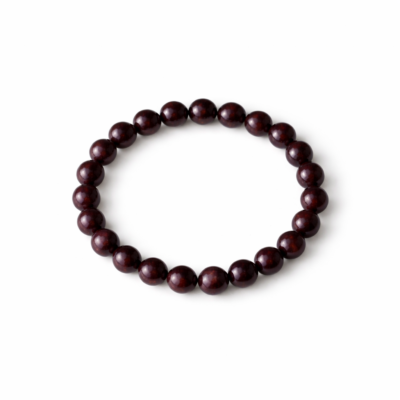
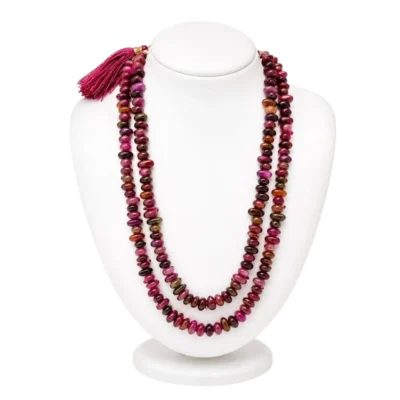
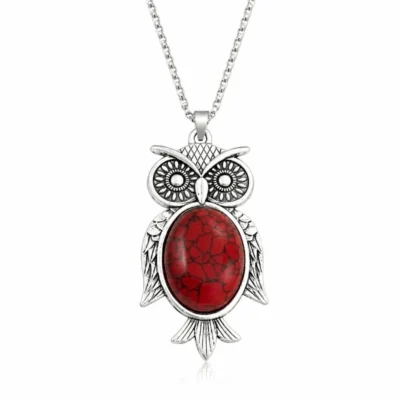
Shop Garnet
 53% OFF
 53% OFF
 54% OFF
Namaveda is our own store — natural stones, cleansed and energised before dispatch.
Garnet FAQs
Can garnet be used as a substitute for Gomed?+
Yes. Hessonite (Gomed) is itself a variety of grossular garnet, so brownish-orange garnets are widely used as affordable Gomed substitutes for Rahu. For this role, choose a honey or cinnamon-toned grossular rather than a deep red almandine, and wear it on the middle finger on a Saturday after chanting the Rahu mantra.
Is garnet a Sun stone or a Rahu stone?+
Both, depending on its colour and purpose. Clear red almandine and pyrope garnets are Sun upratnas, related to Ruby. Brownish grossular garnets relate to Hessonite and Rahu. Your astrologer should decide which planet needs support before you choose a garnet, since the wearing method differs for each.
Which mantra should I chant for garnet?+
For solar use, chant Om Hraam Hreem Hraum Sah Suryaya Namah 108 times on a Sunday morning. If you are wearing garnet as a Gomed substitute for Rahu, chant Om Bhraam Bhreem Bhraum Sah Rahave Namah 108 times on a Saturday evening instead. Always match the mantra to the planet.
How do I know if my garnet is real?+
Most red garnets are weakly magnetic, so a strong neodymium magnet may gently pull a loose stone balanced on a floating cork. Check for round bubbles under a loupe, which suggest glass, and look for a red ring when the stone is placed face-down on white paper, a sign of a doublet.
Is garnet expensive?+
Most red almandine and pyrope garnets are very affordable, usually a few hundred rupees per carat for good commercial quality. Rarer varieties such as tsavorite, demantoid or colour-change garnets can be expensive, but those are not the ones typically used in Jyotish. Clarity, colour and cut drive the price.
Tamda kaun pahne? (Garnet kisko pehenna chahiye)+
Paramparik roop se Tamda Mesha, Simha, Dhanu Lagna walon ke liye anukool maana jata hai. Mahange ratna se pehle kundli dikhana behtar hai.
Not sure this stone is right for you? Check your birth chart in 10 seconds.